
Partners · Event marketing · B2B · Checklist
Eight questions to ask before you sponsor a B2B event in the UK
How to tell a room that buys from a room that merely attends: the questions a technology vendor or marketer should put to any B2B event organiser before committing budget.
AI Reality Check · · 3 min read
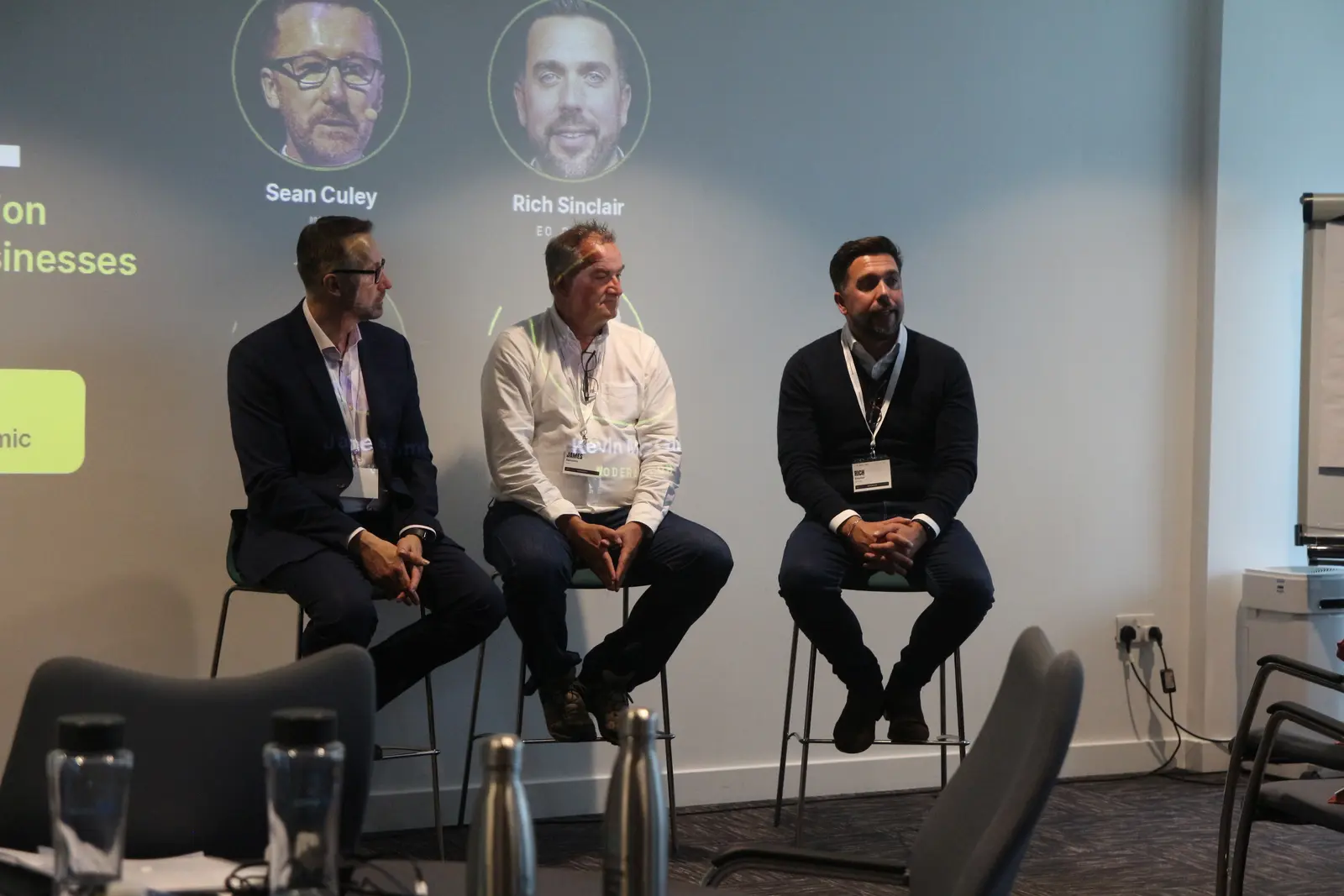
A sponsorship is a bet that the right people will be in the room and will listen. Most organisers can tell you how many people attended. Fewer can tell you who they were. If you sell software, services or equipment to UK distributors and manufacturers, these are the questions that separate an audience that buys from one that merely attends.
1. Who exactly is in the room?
Ask for a breakdown, not an adjective. "Senior decision makers" is a phrase, not a number. A useful answer says how many were director level or above, how many were chief executives, managing directors or founders, how many organisations were represented, and what they do. Ask how it was counted and when. A figure that comes with its date and method is one the organiser has actually worked out.
2. How is the room kept that way?
Seniority is easy to claim on the day registration opens and hard to keep. Ask whether registrations are reviewed by a person, whether duplicates and rival suppliers are declined, and whether there is a cap. A capped room with a human reading the list is a different product from an open ticket link.
3. How big is it, really?
A larger audience is not a better one for a considered purchase. Thirty senior buyers who stay for the whole afternoon are worth more than three hundred passing a stand. Ask the capacity, and ask what share of registrants actually turned up. Counting speakers and partner teams in the attendance figure is common; ask whether it was done.
4. Who spoke last time, and who is speaking next?
The programme tells you the standard of conversation. Look for practitioners presenting working deployments with a named customer, not product demonstrations. If last year's speakers are not named, or this year's are still "to be announced" with the event close, treat it as a warning.
5. What do partners actually get?
The strongest formats put you next to a customer on stage, give you unhurried time with the people you want to meet, and leave something behind afterwards. Ask what the organiser publishes after the event: a write-up of your session, photos, video, a page that keeps working for you. A logo on a banner is the weakest of the options.
6. Does it still work for you after the day?
Events end; search results and AI answers do not. Check whether the organiser publishes what is said on stage in a form that search engines and AI assistants can read: articles, attributed quotes, speaker pages. A partner whose session is written up once and found for years gets more from the same fee.
7. Can they show you the previous event?
Ask to see it: photographs of the room, video from the sessions, the agenda as it ran. Organisers who ran a good event are happy to show it. Check that what they say matches what the pictures show.
8. Will they tell you if you are a poor fit?
The best organisers turn away partners. A session that is a pitch with no customer behind it hurts the room, and the room is what you are paying for. If the answer to "is this right for us?" is always yes, the room will not stay worth paying for.
How we answer them
We run AI Reality Check for UK distribution and manufacturing, and we would rather you put these eight questions to us than take our word for it. The numbers, with their date and how they were counted, are on the audience page. The first event is recorded in photos and video, and the sessions are written up in Insights. If it sounds like your room, talk to us.